The Difference Between a Finished Draft and a Readable Memoir

Most memoirs reach a point where they are technically finished. The chapters are there.The timeline is complete.Nothing essential feels missing. And yet, when you read it back, something doesn’t quite hold. It moves forward, but not convincingly.You can follow it, but you don’t feel carried by it. That’s the difference. Finishing Isn’t the Same as … Read more

Why You Can’t See the Problem in Your Own Memoir (Even When You Know Something’s Wrong)

Most memoir writers know something isn’t quite working. They feel it when they read it back.A slight drag. A loss of clarity. Something that doesn’t quite land. But they can’t locate it. So they keep adjusting sentences.Rewording. Tightening. Trying again. And the problem stays exactly where it is. The Real Issue Isn’t Skill In most … Read more

Why Your Memoir Explains Too Much (And Why It Weakens the Reading Experience)

Most first-time memoirs don’t fail because of poor grammar. They fail because they explain what the reader already understands. Writers often feel the need to guide the reader through the meaning of an event: “That was when I realised…”“It taught me that…”“Looking back, I can see…” These sentences feel helpful. They aren’t. They weaken the … Read more

Why Your Memoir Isn’t Working (Even When the Story Is Strong)

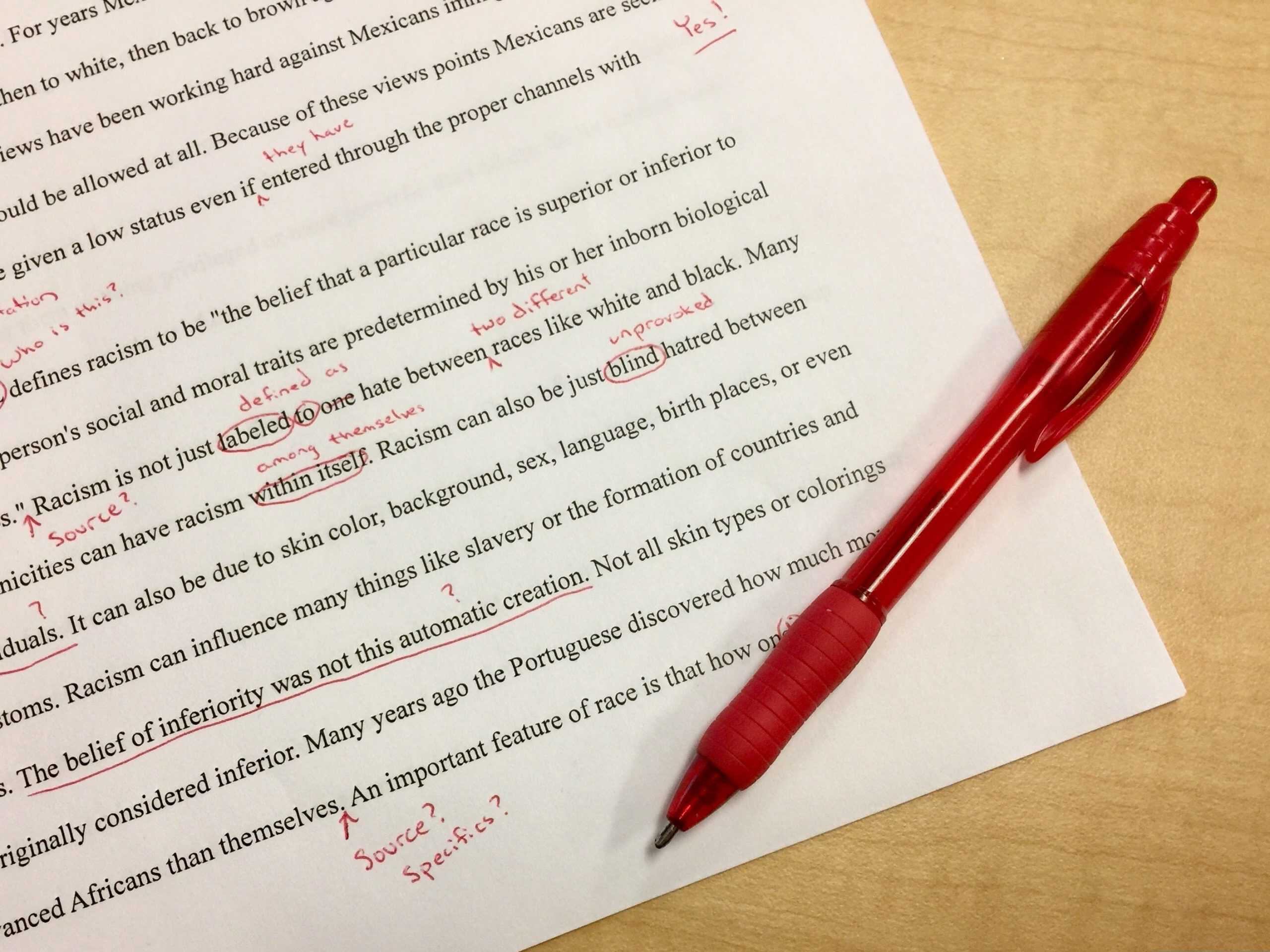
Editor editing a memoirusing a pen to indicate changes

Most memoirs don’t fail because the story is weak. They fail because they read like you’re logging events rather than being clear about your life for your reader. That distinction matters much more than most people realise. You’ve written a lot. The material is there. Important moments. Turning points. People who mattered. But when you … Read more