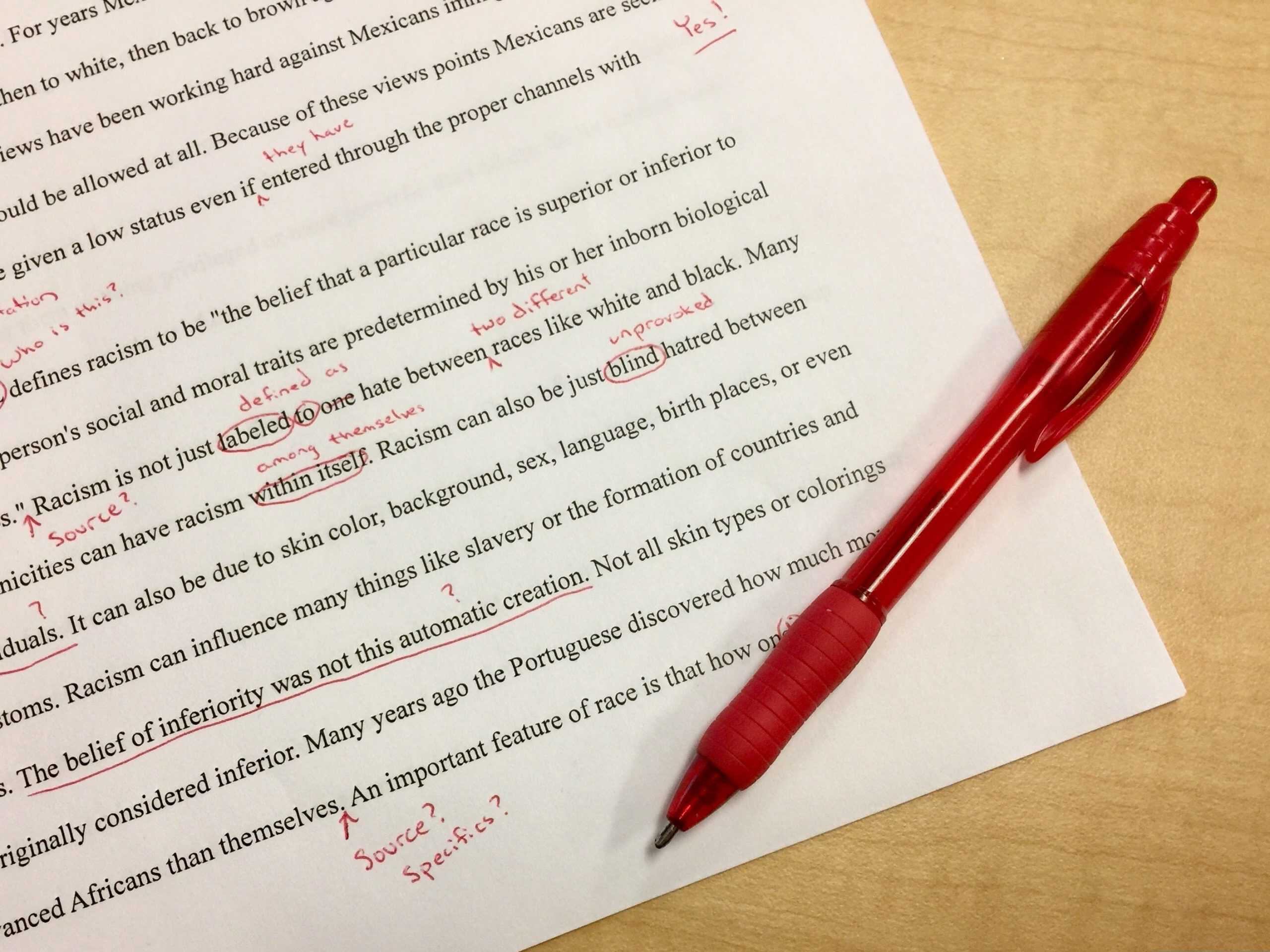
Most edits don’t look like much.
That’s what makes them difficult to understand from the outside.
You can take a paragraph before and after editing, place them side by side, and at first glance, they appear almost identical.
The same words. The same voice. The same story.
And yet one reads more easily than the other.
That difference is the edit.
What a Professional Edit Really Does
A good edit doesn’t replace the writing.
It works with what is already there—refining it so it moves more cleanly, has space to breathe, and carries the reader forward without resistance.
Nothing fundamental is added.
Nothing important is taken away.
But the experience of reading it changes.
Where That Difference Comes From
The changes are usually small. Often they’re easy to miss.
But they happen consistently across the whole manuscript.
1. Sentence Rhythm
Before editing, sentences often carry too much weight or follow the same pattern.
After editing, there’s variation. Some sentences shorten. Others are allowed to expand.
The result is a more natural reading rhythm—one that doesn’t slow the reader down.
2. Removal of Drag
Writers often repeat an idea in slightly different ways, just to make sure it lands.
The edit removes that extra layer.
Instead of circling the same point, the writing says it once and moves forward.
3. Paragraph Focus
A paragraph should do one thing.
In early drafts, it often tries to do several.
An edit tightens that focus so each paragraph has a clear role, rather than drifting between ideas.
4. Smoother Transitions
Readers shouldn’t have to work out how one section connects to the next.
Small adjustments—sometimes just a sentence or two—can make the progression feel continuous rather than disjointed.
The Difference Between a Finished Draft and a Readable Memoir
Why It Still Feels the Same
If it weren’t for tracked changes, many clients would reasonably ask what had been done.
Because on the surface, it looks the same.
The voice is unchanged. The tone is intact. The story hasn’t been altered.
And that’s the point.
A good edit doesn’t introduce a new voice.
It removes what gets in the way of the original one.
Why This Is Difficult to Do Yourself
When you’ve written the material, you already know what it means.
That familiarity makes it hard to see where a reader might hesitate.
- Repetition doesn’t always register
- Heavy sentences feel normal
- Transitions seem obvious because you already understand the connection
From the outside, even with family members or friends who know you well, those same areas are where the reading experience breaks down.
A Simple Way to See It
Take one page of your manuscript and read it aloud.
Notice where:
- You slow down
- You repeat yourself
- The flow breaks slightly
Then remove one repeated idea and shorten one sentence.
Read it again.
The change is usually immediate—but subtle.
Final Thought
A professional edit doesn’t rewrite your story.
It changes how clearly that story comes through.
The words may be almost the same.
But the reading experience is not.
If You Want to See This in Practice
If you’d like to see what this looks like on your own writing, I can review a short section and show you exactly what changes—and why: get a memoir review